

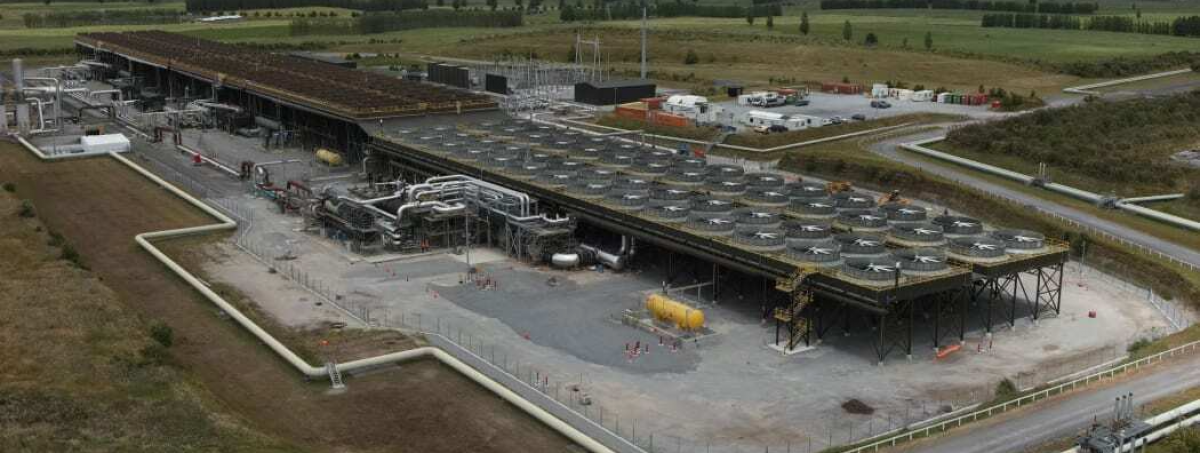
Mercury Energy, a New Zealand-based electricity generator and retailer, has powered up a new geothermal generation unit near Taupō, strengthening Business Energy supply with additional low-carbon baseload capacity delivered directly to the national grid.
The new geothermal unit, built at a cost of $220 million (€123 million), is expected to be fully operational by March. Once online, it will add 46 megawatts of renewable electricity, increasing the Ngā Tamariki power station’s installed capacity from 86 MW to 132 MW.
Mercury said the additional output will be available ahead of winter, supporting system resilience during periods of peak demand. At full capacity, the expanded Ngā Tamariki station is expected to generate around 1,120 gigawatt hours of electricity annually, enough to supply approximately 158,000 average homes.
The geothermal facility is powered by nine wells drilled more than 3,000 metres below ground, where temperatures reach up to 290 degrees Celsius. The technology provides continuous, weather-independent generation, positioning geothermal as a critical component of long-term Business Energy strategies focused on reliability and decarbonisation.
Mercury Chief Executive Stew Hamilton said the project forms part of a broader renewable investment programme.
“These include the Ngā Tamariki expansion, stage two of the Kaiwera Downs wind farm in Southland, and the Kaiwaikawe wind farm in Northland,” Hamilton said, referring to the company’s planned $1 billion (€560 million) investment across three renewable developments.
The Ngā Tamariki power station is owned by Mercury, with the geothermal resource developed in partnership with Tauhara North 2 Trust and mana whenua Ngāti Tahu Ngāti Whaoa. The trust jointly owns the resource consents, receives a revenue stream from the station and holds options to take an equity stake.
Read more on how geothermal investment is reshaping long-term energy supply.
(Photo Credits to Mercury Energy)






.png)